Domestic Electronic Contract Manufacturing
Electronic manufacturers face growing pressure to manage component availability, tariff exposure, production schedules, and engineering changes. As supply chains become more complex, OEMs need manufacturing relationships that provide clear communication, sourcing visibility, and dependable production support.
This guide explains how domestic electronic contract manufacturing can help OEMs manage supply chain risk. It covers tariff and country-of-origin exposure, component availability, logistics, engineering communication, inventory planning, industry considerations, and the factors to evaluate when selecting a domestic EMS partner.
The key takeaway is simple: domestic electronic contract manufacturing does not eliminate global supply chain risk. It can give procurement and engineering teams greater visibility into sourcing and production while simplifying communication, change control, and the delivery of completed assemblies within the United States.
Domestic electronic contract manufacturing gives original equipment manufacturers another way to manage sourcing, production, and communication risk. It does not remove every supply chain constraint. Many electronic components still move through global markets before reaching an assembly facility in the United States.
However, domestic production can improve visibility into sourcing decisions, engineering changes, inventory, and manufacturing schedules. It can also reduce the logistics involved in moving completed assemblies across international borders.
For procurement and engineering teams, the decision requires more than comparing unit prices. A useful evaluation also considers component origin, tariff exposure, lead time variability, quality controls, communication, and the cost of production delays.
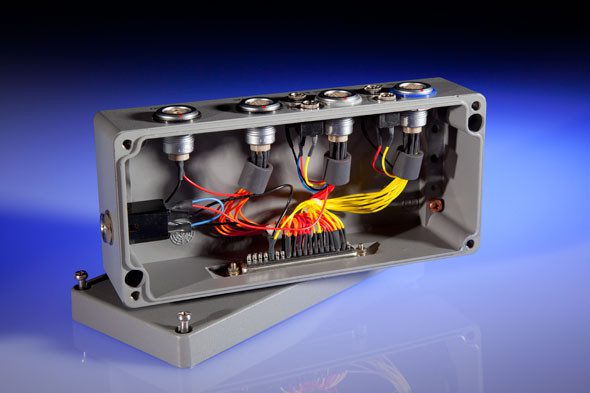
Star Engineering Inc. provides electronic manufacturing services for original equipment manufacturers. Its capabilities include printed circuit board assembly, cable and wire harness assembly, electromechanical assembly, box build integration, engineering support, testing, and supply chain coordination.
This framework explains where supply chain risk tends to concentrate. It also outlines what domestic manufacturing can address and what to evaluate when selecting a manufacturing partner.

Why the EMS Sourcing Calculation Has Changed
Electronic contract manufacturing decisions have traditionally balanced cost, production capacity, quality, and delivery. Trade policy and component availability now require closer attention within that calculation.
In January 2026, the United States imposed a 25 percent duty on defined categories of covered semiconductor products under the Section 232 proclamation in the Federal Register. The proclamation includes exclusions, so the duty does not apply to every semiconductor import. Separate trade actions may also affect products from particular countries. Procurement teams therefore need to evaluate the classification and origin of the actual parts within a program. They should not apply one general tariff rate to an entire bill of materials.
Tariff exposure is only part of the issue. Component availability can change between quoting and production. Distributor allocation, manufacturer capacity, product discontinuation, and demand from larger buyers may affect delivery dates.
Freight, customs brokerage, inventory, and schedule risk also influence total landed cost. A lower assembly quote may not remain the lower-cost option after these factors are included.
This does not make domestic production the correct choice for every program. Offshore manufacturing can remain practical when volumes, costs, supplier performance, and program requirements support it. The point is that unit price alone does not provide a complete comparison.
Where Electronic Manufacturing Supply Chain Risk Concentrates
Supply chain risk is rarely spread evenly across an electronic assembly. It often concentrates within a small number of components, suppliers, processes, or logistics steps. Reviewing these areas early can help procurement and engineering teams make better sourcing decisions.
Tariff and Country of Origin Exposure
Tariff treatment depends on product classification, country of origin, and the trade measures in effect when goods enter the United States. Final assembly location is only one part of the calculation.
A completed assembly imported from another country may be subject to duties. Components imported for assembly within the United States may also carry their own tariffs. The specific treatment can vary across semiconductors, printed circuit boards, connectors, enclosures, and other materials.
Manufacturing partners should be able to provide useful sourcing information for important parts. Procurement teams can then review potential exposure with qualified customs or trade professionals, as needed.
Useful questions include:
- Where do the most important components originate?
- Which parts have limited approved sources?
- Which classifications may be affected by current trade measures?
- How will tariff changes be communicated?
- How are additional costs documented before purchasing?
Component Availability
A single unavailable component can prevent an otherwise complete assembly from entering production. The risk is greatest when a part has one approved source, a long replenishment period, or no practical substitute.
Quoted lead times also need context. A distributor quote may reflect current stock, an estimated factory date, or an allocation that could change. Procurement teams should identify the parts that control the production schedule instead of relying only on an average lead time for the full bill of materials.
A manufacturing partner can support this review by flagging constrained parts early. It can also identify potential alternatives for engineering approval. Any substitution should follow the OEM’s documentation, testing, and change control requirements.
Geopolitical and Logistics Disruption
Trade restrictions, export controls, port conditions, freight capacity, and licensing requirements can interrupt an established supply route. The exact effect depends on the countries, components, and industries involved.
No manufacturing location can eliminate these risks. A practical sourcing plan instead asks how much of the production schedule depends on a supplier or route that cannot be verified or replaced within the required timeline.
Teams can then consider alternate sources, approved substitutes, inventory buffers, or a different assembly location where the program justifies those measures.
Engineering and Production Communication
Manufacturing problems often require input from both engineering and production teams. Delays can occur when the people involved lack a clear escalation process or access to current documentation.
Domestic production may simplify meetings, facility visits, sample reviews, and coordination during normal business hours. These benefits are not automatic. They depend on the partner’s responsiveness, program management, and change control process.
During partner evaluation, procurement and engineering teams should ask who handles technical questions. They should also review how deviations, substitutions, and engineering changes are documented and approved.
For a practical relationship review, check these five signs of offshore EMS supply chain risk.
What Domestic Electronic Manufacturing Can Change
Domestic manufacturing changes how certain risks are managed. It does not make the global electronics supply chain local.
Closer Engineering Coordination
A domestic partner can make it easier to schedule design reviews, resolve assembly questions, and examine physical samples. This can be useful during prototype builds, product revisions, and the transition into production.
The actual benefit depends on access to the partner’s engineering and program management teams. Location has limited value when communication responsibilities are unclear.
Fewer International Steps for Completed Assemblies
Assemblies produced within the United States do not require international transport after final assembly for delivery to a domestic OEM. This can reduce customs and freight steps associated with importing a completed product.
Imported components may still face international transportation, customs review, and applicable duties. Procurement teams should separate finished-assembly risk from component-sourcing risk when comparing options.
Greater Visibility Into Production Status
A domestic relationship may support closer communication about material status, production scheduling, inspection, and testing. The partner should still demonstrate how that information is recorded and shared.
Useful visibility includes:
- Material availability by production order
- Parts that could delay a build
- Approved and proposed substitutions
- Engineering change status
- Inspection and test results
- Production schedule changes
A Clearer Total Cost Review
Domestic manufacturing does not always have the lowest unit price. It may remove or reduce some costs associated with international freight, customs brokerage, and importing completed assemblies.
A fair comparison should include all expected program costs. These may include material, assembly, freight, duties, inventory carrying costs, rework, quality control, and the operational effect of a delayed build.
The calculation should use information specific to the program. It should not assume that one sourcing location is always less expensive.
Use this domestic vs. offshore EMS comparison to assess tariff exposure, lead time, and component availability together.
How Sourcing Considerations Differ by Industry
Every OEM depends on reliable production, but documentation, traceability, testing, and schedule requirements vary by industry and program.
Aerospace and Defense
Aerospace and defense assemblies may be subject to detailed contractual requirements for traceability, documentation, component origin, inspection, and testing. Requirements can differ by customer and program.
OEMs should confirm that a manufacturing partner can follow the applicable drawings, specifications, approved supplier requirements, and documentation controls. Ruggedized electronic assemblies may also require close coordination between design and manufacturing teams.
Medical Devices
Medical electronics can require controlled documentation, traceability, and consistent production processes. A proposed component substitution may require engineering, quality, or regulatory review before use.
Manufacturing partners should communicate proposed changes before purchasing or assembly. The OEM can then determine what review, testing, or documentation the specific device requires.
Industrial Automation
Industrial automation products include control systems, robotics, sensors, and other equipment used within production environments. Component availability can affect both new equipment and replacement assemblies.
OEMs in this sector may need early notice of sourcing constraints to evaluate substitutes, adjust production plans, or coordinate customer delivery requirements.
Automotive Electronics
Automotive electronic assemblies may combine larger production volumes with strict cost, quality, documentation, and delivery requirements. A component constraint can therefore affect many assemblies and related production schedules.
Partner evaluations should address production capacity, sourcing controls, change management, inspection, testing, and traceability requirements for the specific program.
Supply Chain Practices That Support Production Planning
Sourcing location is only one part of supply chain management. Inventory, forecasting, documentation, and supplier communication also affect production continuity.
Component Risk Review
A component risk review identifies parts that have limited sources, extended replenishment periods, lifecycle concerns, or potential tariff exposure. The review should begin before production materials are committed.
Engineering and procurement teams can then decide whether to approve an alternate part, reserve inventory, or retain the original sourcing plan.
Inventory Planning
Safety stock can provide time to respond when replenishment takes longer than expected. It also requires working capital, storage, and control over excess or obsolete inventory.
Inventory levels should reflect demand, component risk, shelf life, product lifecycle, and the cost of a production interruption. A universal stocking rule will not suit every program.
Shared Forecasting
Production forecasts can help a manufacturing partner plan materials, labor, and equipment capacity. Forecasts are most useful when both parties understand which quantities are estimates and which represent firm commitments.
This distinction helps prevent purchasing decisions based on unapproved demand.
Vendor Managed Inventory
In a vendor-managed inventory arrangement, the manufacturing partner monitors agreed inventory levels and replenishment triggers. The model can support programs with stable demand and clearly defined ownership terms.
Before using it, both parties should define inventory responsibility, forecast changes, minimum quantities, excess material, product revisions, and end-of-life obligations.
Change Control
Material substitutions and design changes need a documented approval path. The process should identify who can approve a change, what testing is required, and how the current revision is communicated to production.
Strong change control reduces the chance that procurement, engineering, and manufacturing teams work from different information.
What to Look for in a Domestic EMS Partner
A domestic location alone does not establish manufacturing capability. OEMs should evaluate whether a prospective partner can support the program’s technical, quality, sourcing, and production needs.
Component Sourcing Transparency
The partner should explain how it selects suppliers and tracks material availability. It should also communicate sourcing risks and proposed substitutions before they affect production.
The evaluation should cover:
- Approved supplier controls
- Country of origin information when required
- Obsolescence and availability monitoring
- Material traceability
- Substitution approval procedures
- Handling of counterfeit component risk
Relevant Manufacturing Capabilities
Equipment lists do not show whether a partner can build a specific product. The OEM should review the assembly technologies, materials, volumes, testing needs, and workmanship requirements involved.
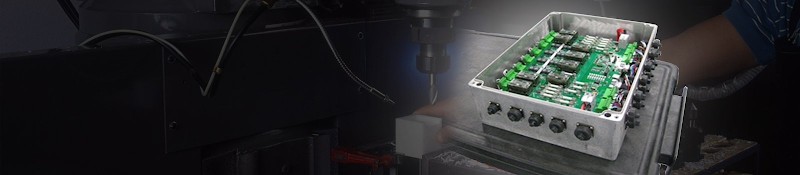
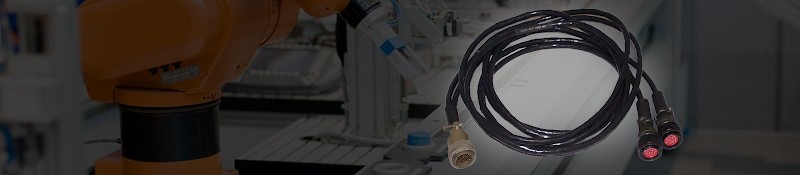
Star Engineering Inc. supports printed circuit board assembly services using surface mount, through-hole, and mixed assembly technologies. Its broader capabilities include cable and wire harness assemblies, electromechanical assembly, box build integration, and control panels.
Inspection, Testing, and Documentation
The required inspection and testing plan should reflect the product and its intended use. A prospective partner should explain how it controls documentation, records results, handles nonconforming material, and maintains traceability.
OEMs should also verify which IPC standards guide the relevant work. Confirm any ISO certification with its current certificate and scope. Neither term should be treated as a general substitute for reviewing the actual quality process.
Engineering and Program Management
A defined contact helps connect purchasing, engineering, material planning, and production. The partner should explain how it handles technical questions, schedule updates, and engineering changes.
The review should identify:
- The contact responsible for the program
- The escalation process for material or production issues
- The method used to control drawings and revisions
- The approval process for deviations and substitutions
- The reporting provided during production
Available Capacity
A partner may have the correct equipment without having enough available capacity for the required schedule. Procurement teams should discuss expected volumes, production timing, material availability, labor planning, testing, and ramp requirements.
This discussion is especially important when transferring an existing product. A transfer may require documentation review, material validation, process development, sample builds, and approval before regular production begins.

How Star Engineering Inc. Supports Domestic Electronics Production
Star Engineering Inc. supports OEMs from prototype assembly through ongoing production. The company customizes, assembles, integrates, and tests electronic products. It does not manufacture bare printed circuit boards.
Its electronic manufacturing services include:
- Printed circuit board assembly
- Cable and wire harness assembly
- Electro-mechanical assembly
- Box build integration
- Control panel assembly
- Engineering and manufacturing review
- Inspection and functional testing
- Material sourcing and supply chain coordination
These capabilities allow procurement and engineering teams to coordinate several assembly requirements through one manufacturing relationship. The appropriate process, testing plan, documentation, and production schedule depend on each program’s needs.
Moving Forward With a Domestic Sourcing Review
Evaluate domestic electronic contract manufacturing as part of a complete sourcing strategy. The decision should account for more than assembly price or supplier location.
Procurement and engineering teams should review component origin, tariff treatment, availability, logistics, quality controls, engineering access, inventory, and manufacturing capacity. They should also identify which risks a domestic partner can manage and which risks remain within the global component supply chain.
Star Engineering Inc. provides printed circuit board assembly, cable and wire harness assembly, electromechanical assembly, box-build integration, and supply chain coordination for OEM programs.
Contact Star Engineering Inc. to discuss the manufacturing, documentation, testing, and sourcing requirements for an electronic assembly program.
Frequently Asked Questions
Domestic electronic contract manufacturing is the outsourced assembly, integration, and testing of electronic products within the United States. Services may include printed circuit board assembly, cable assembly, wire harness assembly, electromechanical assembly, box build integration, testing, and supply chain support.
No. Domestic assembly may reduce exposure to duties that apply to certain imported finished products. Components imported for domestic assembly may still be subject to tariffs. Actual treatment depends on product classification, country of origin, and current trade rules.
An OEM should compare total program costs, not assembly price alone. The review may include materials, labor, freight, duties, customs brokerage, inventory, quality control, rework, engineering coordination, and the operational effect of schedule delays.
An EMS partner should explain its supplier controls, material availability, substitution process, and risk communication procedures. Country of origin and traceability information should be available when the program or contract requires it.
The OEM should review documentation, approved materials, revisions, inspection criteria, test requirements, expected volumes, available capacity, inventory ownership, and the transfer approval process. Sample or validation builds may also be appropriate, depending on the product.